
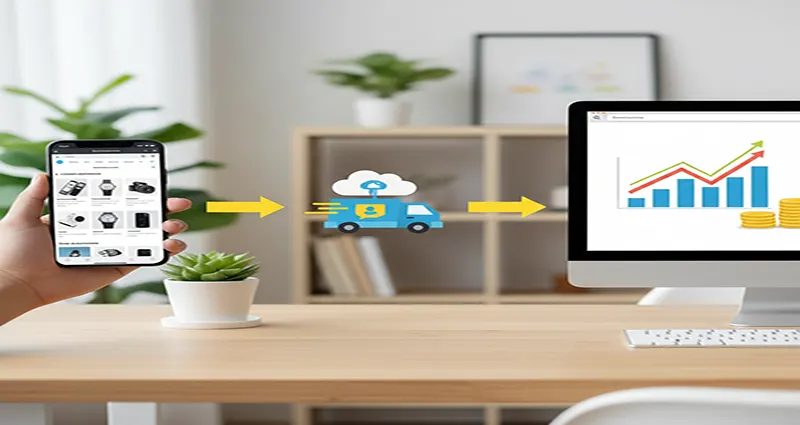
Dropshipping has fundamentally changed the landscape of e-commerce, offering a path for entrepreneurs to start a profitable online retail business directly from home with virtually no upfront inventory costs. This model eliminates the biggest barriers to entry—warehousing, bulk buying, and shipping logistics—allowing you to focus entirely on marketing and customer service.
A successful dropshipping business, while low-risk, requires strategic planning, meticulous product selection, and a commitment to customer experience.
Understanding the Dropshipping Model
In a traditional retail model, the retailer buys inventory, stores it, and then ships it when a customer orders. In dropshipping, the process is inverted:
- Customer Order: A customer places an order on your online store and pays the retail price.
- Your Order: You purchase the item from a third-party supplier (often a manufacturer or wholesaler) at a lower, wholesale price.
- Supplier Fulfilment: The supplier packages and ships the product directly to your customer.
Your profit margin is the difference between the retail price the customer paid and the wholesale price you paid the supplier.
4 Steps to Launching Your Profitable Dropshipping Business
Step 1: Niche Selection and Product Validation
The number one mistake beginners make is selling general items. Success in dropshipping is built on specialization.
- Find Your Niche: Focus on a specific audience or interest (e.g., “minimalist home office supplies” or “sustainable pet gear”). A niche makes your marketing precise and your brand memorable.
- Validate Demand: Use tools like Google Trends, social media engagement, and marketplace analytics (e.g., AliExpress trends) to identify products that solve a specific problem and have moderate competition but high perceived value. Avoid saturated niches like generic phone cases.
- Target $15+ Margins: Look for products you can consistently sell for a profit margin of at least $15 per item to cover advertising costs and still generate a worthwhile income.
Step 2: Supplier Vetting and Integration
Your supplier is your fulfillment and quality control team. Choosing the right partner is non-negotiable for success.
- Test Products: Before listing, place a test order with your top three potential suppliers to evaluate shipping time, packaging quality, and communication speed.
- Integration: Use platforms like Shopify with dropshipping apps (e.g., Oberlo/DSers for AliExpress, or platforms like Spocket for US/EU suppliers) to automate order forwarding and tracking updates. This is crucial for home-based efficiency.
- Communication: Prioritize suppliers who offer fast, trackable shipping and respond quickly to inquiries. Slow shipping is the biggest cause of customer complaints.
Step 3: Build Your Professional Storefront
Since customers can’t physically examine the product, your website must project trust and professionalism.
- E-commerce Platform: Use user-friendly platforms like Shopify or WooCommerce.
- Branding: Invest in a clean logo, consistent color scheme, and compelling product descriptions that focus on benefits rather than just features.
- High-Quality Imagery: Use professional photos and, ideally, custom product videos to showcase the item, as you are relying on the supplier’s visuals.
Step 4: Master Customer Acquisition
Your job as a dropshipper is primarily marketing.
- Paid Ads (Quick Results): Start with small, highly targeted campaigns on platforms like TikTok or Facebook/Instagram Ads. Focus on a single product with a proven high conversion rate.
- Content Marketing (Long-Term Traffic): Create valuable, niche-relevant content (e.g., a blog post titled “Top 5 Space-Saving Kitchen Gadgets”). This builds brand authority and drives free organic traffic.
By focusing on a niche, establishing reliable supplier relationships, and prioritizing a transparent customer experience, a home-based dropshipping business can quickly scale from a side hustle to a high-earning, low-overhead enterprise.

